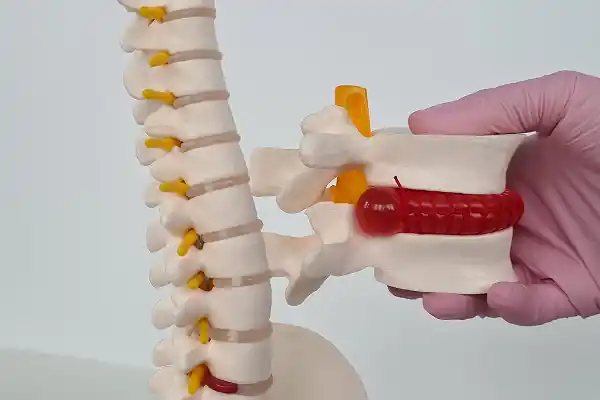
Not every spine condition calls for the same treatment. A herniated disc, a narrowed spinal canal, and a degenerated segment can all cause similar symptoms, but each requires a different surgical approach to correct. That's why an accurate diagnosis always comes before a surgical recommendation.
Dr. Brett Taylor is a board-certified orthopedic surgeon in St. Louis, MO, practicing at Town & Country Crossing Orthopedics (TCCO). He performs the full range of procedures listed below himself, evaluating each case individually to determine whether surgery is appropriate and which technique best fits the patient's specific diagnosis.
Attorneys and physicians evaluating a case that may need surgical treatment can submit a referral to begin the review process.
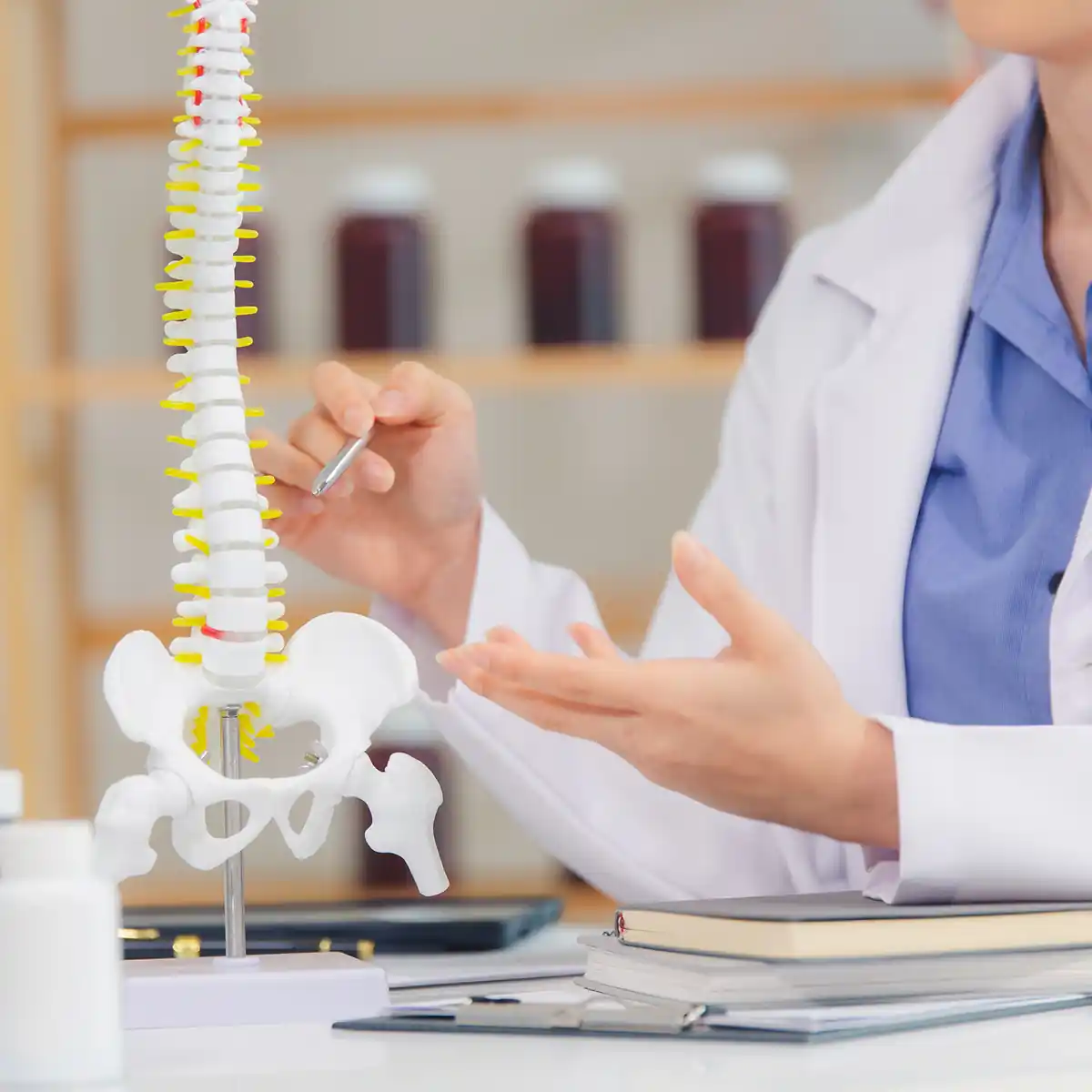
Cervical fusion surgery joins two or more vertebrae in the neck into a single, stable segment, relieving pressure on the spinal cord or nerve roots caused by injury, degeneration, or deformity. It's typically considered once non-surgical treatment has failed to resolve symptoms, and can be performed through an anterior or posterior approach depending on the location of the compression.
LEARN MORE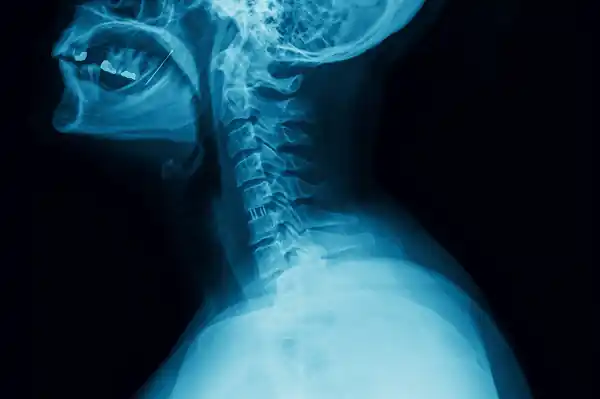
Lumbar fusion surgery stabilizes the lower back by joining two or more vertebrae into a single segment, most often to treat degenerative disc disease, spondylolisthesis, or instability following an injury. Screws, rods, or cages hold the spine in place while the bone graft fuses over the following months.
LEARN MORE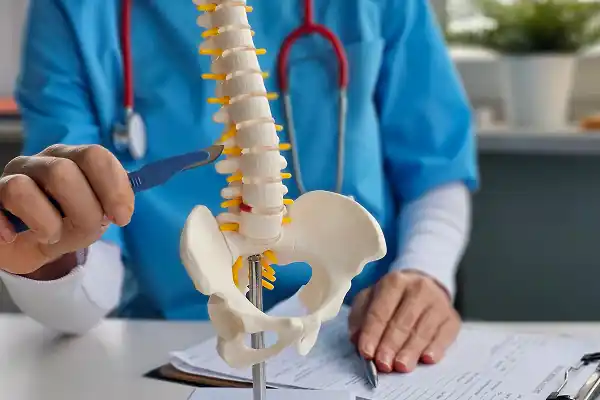
Lumbar decompression surgery relieves pressure on the spinal cord or nerve roots in the lower back, most commonly to treat spinal stenosis. Procedures range from a laminectomy, which removes a portion of bone forming the spinal canal, to more targeted techniques depending on where the compression is located.
LEARN MORE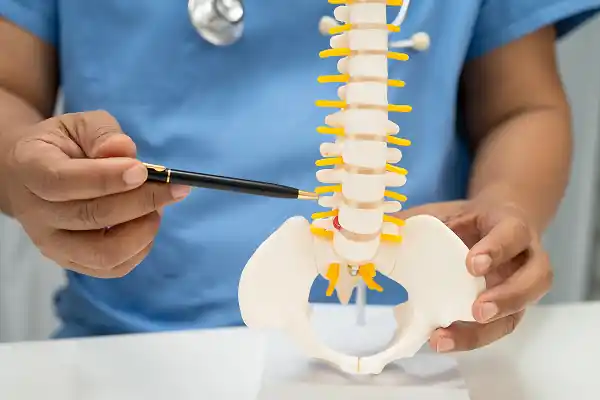
Microdiscectomy removes the portion of a herniated disc pressing on a nerve in the lower back, relieving the pain, numbness, or weakness that results from the compression. Because only the damaged portion of the disc is removed, this is one of the more targeted procedures TCCO offers, with a shorter recovery than more extensive spine surgery.
LEARN MORE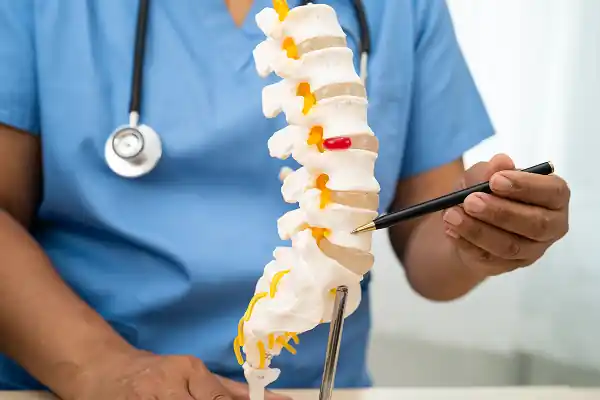
Total disc replacement surgery removes a damaged disc and replaces it with an artificial implant designed to preserve motion at that segment, rather than eliminating it the way a fusion does. It can be performed in either the cervical or lumbar spine, depending on where the disc damage is located and whether the patient meets the criteria for this motion-preserving approach.
LEARN MORE